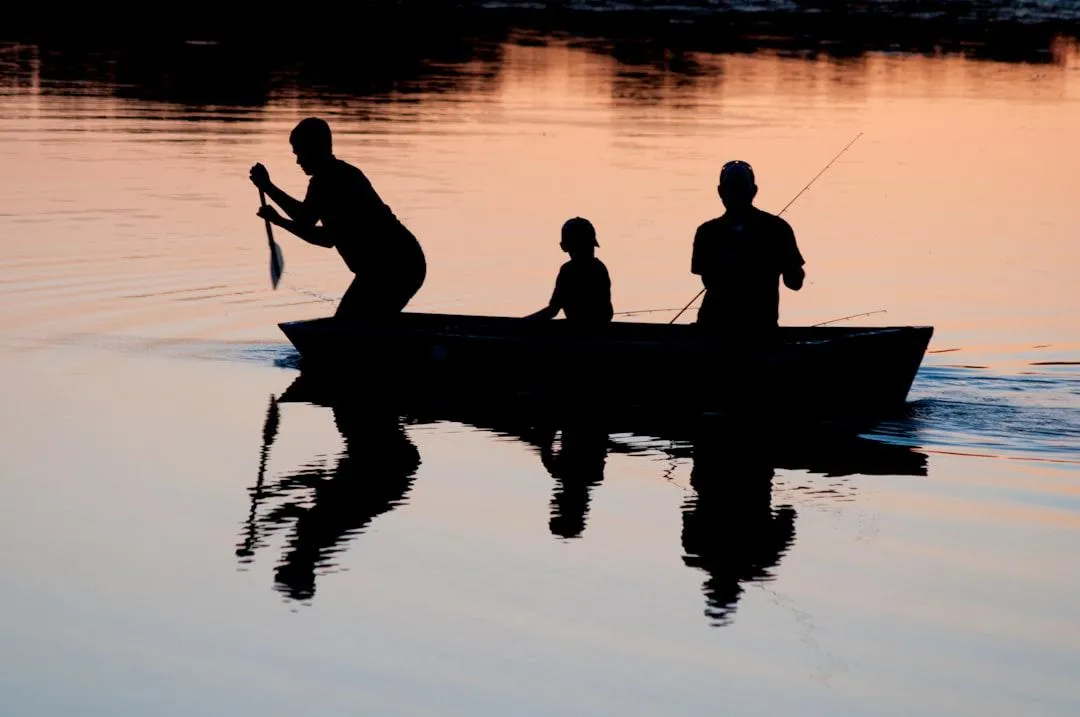
Bass Fishing on Lake Hartwell: Best Spots, Best Times, and What Actually Works
Bass Fishing on Lake Hartwell: Best Spots, Best Times, and What Actually Works
Lake Hartwell has hosted the Bassmaster Classic four times -- more than any other lake in the history of the tournament. The 2027 Classic will make it five. That's not a coincidence. When the best bass anglers in the world keep choosing the same lake for their Super Bowl, it tells you something about the fishery.
For the rest of us planning a 2-3 night trip, Hartwell delivers in a way that most Southeastern lakes don't. It's big enough that you won't fish the same water twice. The bass are healthy. The structure is varied and interesting. And the lake's reputation hasn't turned it into an overcrowded mess -- there's still room to find your own water if you know where to look.
This guide covers what you need to know before you go: which species are in the lake, the best spots by area, how the fishing changes through the seasons, and how to make the most of a long weekend on the water.
What Bass Are in Lake Hartwell
Most anglers come for largemouth, and they leave satisfied. But Lake Hartwell is actually a multi-species bass fishery, and knowing which fish you're targeting changes how you fish it.
Largemouth bass are the primary draw and hold throughout the lake in flooded timber, creek arms, brush piles, and shallow coves. They're the most forgiving fish to target and the most likely to cooperate if you're fishing new water.
Spotted bass are the sleeper. They're abundant on the main lake -- rocky points, ledges, island humps, and anywhere with current or hard structure. Spots fight harder pound for pound than largemouth and tend to congregate in schools, so when you find one, you often find twenty. Many experienced Hartwell anglers quietly prefer them.
Smallmouth bass show up too, especially around rockier main lake structure, though they're less common than the other two species.
Beyond bass, the lake also holds striped bass, hybrid bass, crappie, catfish, and bream -- all worth targeting if the bass go quiet.

The Best Spots for Bass on Lake Hartwell
The lake covers 56,000 acres across the SC/GA border, so "best spots" is a relative term. These areas consistently produce and are worth exploring on a first or second trip.
Beaverdam Creek sits near the confluence of the Tugaloo and Seneca rivers and is one of the most popular sections of the lake for both largemouth and spotted bass. The creek arms hold flooded timber and laydowns that largemouth use heavily in spring. The creek mouth transitions to rockier structure that spotted bass favor.
Six and Twenty Creek on the SC side is worth targeting when fish are moving shallow. The upper portions of the creek hold clear water and good structure for spotted bass. When spring bass are active and feeding in the shallows, this is one of the better areas on the lake.
Congress Creek is known for spotted bass. Rocky points and humps throughout the creek hold fish year-round, and the finesse approach works consistently here. Small crankbaits and drop shot rigs outfish most other presentations in this water.
Andersonville Creek is another solid spotted bass area. The upper, cleaner water holds fish consistently and is less pressured than some of the more well-known areas closer to the dam.
The Big Oaks Recreation Area on the upper lake holds largemouth in and around submerged logs and stumps. It's productive structure fishing -- slower and more methodical, but the payoff is consistent largemouth bites in water that doesn't get the same attention as the creek arms.
Main lake island ledges and rockpiles scattered throughout the lower lake are the backbone of spotted bass fishing on Hartwell. These fish hold in 10-30 feet of water on hard bottom and respond well to swimbaits and ned rigs. Marking these spots on your graph before you fish them is worth the time.

Seasonal Patterns: When to Fish and What to Throw
Spring (March through May) is the best time on Lake Hartwell, full stop. Bass are moving shallow to spawn, they're aggressive, and the sheer volume of fish in catchable areas is as high as it gets all year. Largemouth spawn first, typically through March and April in flooded creek arms and shallow timber. Spotted bass follow from mid-April into early May, staging on rocky bottom in 5-15 feet of water before moving up.
Lures that work in spring: buzzbaits and wacky-rigged Senkos for largemouth in the early morning hours; fast-moving shallow crankbaits and spinnerbaits once the sun gets up; small swimbaits and finesse worms for spotted bass on rocky transitional structure.
Summer (June through August) pushes fish deeper and slows things down. The most consistent pattern for spotted bass is drop-shotting finesse worms into brush piles on the lower lake. Largemouth move to stick-ups, overhanging trees, and shaded areas during the heat of the day. Early morning topwater action can still be excellent before the sun hits the water -- buzzbaits and poppers along shallow cover will draw surface strikes well into June.
Fall (September through November) is the most underrated season on Hartwell. As water temperatures drop, bass feed aggressively ahead of winter and chase shad schools onto main lake points and along channel edges. Topwater lures produce well in October when the water has cooled enough to bring fish up. Reaction baits -- crankbaits, chatterbaits, and swimbaits -- all work as fish scatter chasing bait. This is a great time to cover water fast.
Winter (December through February) is the slowest season for bass, but not a lost cause. Spotted bass hold deep in creek channel ditches and respond to slow presentations -- big-bladed spinnerbaits, wide-profile crankbaits in shad or herring colors, and pig-and-jig combinations worked deliberately along bottom. Live herring trolled along creek channels is a proven winter approach. This is also when striper fishing on Hartwell shines if you want to switch species and stay busy.

How to Plan Your 2-3 Night Fishing Trip
A long weekend gives you enough time to figure the lake out. The first morning is often your most productive -- you're fresh, the lake is unfamiliar, and covering new water produces. Here's how to structure it.
Day 1: Explore. Launch at Portman Marina (1629 Marina Road, Anderson, SC), which puts you on the northern end of the lake near productive creek arms. Fish Beaverdam Creek and Six and Twenty Creek in the morning. Use the afternoon to run the main lake and mark spotted bass structure on your graph.
Day 2: Commit. You know what worked yesterday. If the creek arm largemouth were active, stay shallow. If the main lake ledges produced spots, work those systematically. This is usually the best fishing day of a long weekend trip.
Day 3: Half day. Most anglers are packing up by noon. Fish the early morning bite hard -- topwater or moving baits -- then call it.
If you don't have a boat, Kingfisher's Guide Service offers 4-hour morning trips on the lake and Rick Dodd at Lake Hartwell Bass Experience runs full-day guided trips. Both are worth booking if you want local knowledge on a first visit.

Fishing Regulations You Need to Know
Lake Hartwell sits on the SC/GA border, and South Carolina and Georgia have a reciprocating license agreement -- either state's valid fishing license covers you as long as you're on the water. Confirm current licensing requirements at SCDNR before your trip.
Bass regulations on the SC side: 12-inch minimum total length for largemouth bass. The combined daily limit for all black bass species is 10 fish per person per day. For striped bass and hybrid bass combined, the limit is 10 per day with no more than 3 fish over 26 inches.
Check the current regulations at dnr.sc.gov/lakes/hartwell/regs.html before you go -- limits and size requirements do get updated.
Frequently Asked Questions About Bass Fishing on Lake Hartwell
Is Lake Hartwell good for bass fishing? Yes, it's one of the best bass lakes in the Southeast. Lake Hartwell has hosted the Bassmaster Classic four times and is listed as a Top 100 Bass Lake in America. The lake holds largemouth, spotted, and smallmouth bass with a healthy and diverse population.
What is the best time of year to fish Lake Hartwell for bass? Spring -- March through May -- is the peak season. Bass are spawning, moving shallow, and feeding aggressively. Spotted bass spawn slightly later than largemouth, from mid-April into May, on rocky structure in 5-15 feet of water. Fall is a strong second choice as fish feed actively before winter.
What lures work best on Lake Hartwell? For largemouth: wacky-rigged Senkos and buzzbaits in flooded timber. For spotted bass: swimbaits on main lake points, ned rigs on rocky ledges, and finesse worms on a drop shot in brush piles. In fall, topwater lures and crankbaits along main lake points are hard to beat.
Do I need a South Carolina fishing license to fish Lake Hartwell? SC and GA have a reciprocating license agreement for Lake Hartwell -- either state's license covers you while you're on the water. Check current requirements at dnr.sc.gov before your trip.
What is the bass size limit on Lake Hartwell? On the SC side, the minimum size for largemouth bass is 12 inches total length. The daily combined bag limit for all black bass species is 10 fish per person. Always confirm current regulations before fishing.
Are there fishing guides on Lake Hartwell? Yes. Rick Dodd at Lake Hartwell Bass Experience runs guided trips and knows the seasonal patterns well. Kingfisher's Guide Service offers 4-hour morning trips. Both are good options if you want local expertise on a first visit or want to learn specific spots.
Where to Stay for Your Lake Hartwell Fishing Trip
If you're planning a 2-3 night trip, staying right on the water changes everything. Our Portman Cove cottage sits minutes from Portman Marina and the productive northern end of the lake. You can launch early, run back for lunch, and be back out for the evening bite without losing time driving. It's the kind of base that makes a fishing weekend feel like a fishing vacation. Check availability here

The Bottom Line
Lake Hartwell earns its reputation every season. The spotted bass fishery alone is enough reason to make the trip, and the largemouth fishing in spring is as good as anything in South Carolina. Plan around March through May if you can. Bring finesse gear for the spots and moving baits for the largemouth. Give yourself three days -- the lake takes a little time to read, and the second day is usually your best.
The Host's Note: "There's something about being on Lake Hartwell before dawn, coffee in hand, waiting for the light to hit the water, that resets you.

If you're planning a fishing trip and have questions about the lake, the launch at Portman Marina, or what to expect on the water, reach out before you book. I'd love to help you plan a trip that fits what you're after! And if you come back with a photo of a Hartwell largemouth, send it my way. I'll post it." Stefania
